Building information modeling definition
Hem / Teknik & Digitalt / Building information modeling definition
These complex, high-stakes projects demand coordination across dozens of disciplines, stakeholders, and regulatory frameworks. Use space and resources more efficiently
BIM’s built-in spatial intelligence helps facility teams understand how spaces are actually used. This model isn’t just a 3D drawing; it contains real data about every part of the building, such as walls, lighting, HVAC systems, and equipment.
BIM helps teams see how a building will look and perform even before it’s built, so they can fix issues early, save time, and avoid costly mistakes.
The future is moving to the browser:
- Free IFC viewers: Web-based viewers like Bimeco's platform allow stakeholders to review models without software licenses
- Cloud collaboration: Real-time model access from any device, anywhere
- Accessibility: Lower barriers to entry for smaller firms and project partners
Web-based BIM democratizes access, enabling broader participation in the BIM workflow without expensive desktop software and workstations.
BIM represents the future of construction—a shift from paper-based, siloed workflows to integrated, data-driven collaboration.
What is Building Information Modeling (BIM)?
BIM is a digital process for creating and managing detailed 3D models that represent both the physical and functional characteristics of a building. BIM Level 2 was actually made a mandatory requirement in April of 2016 on all publicly tendered projects in the UK. France followed shortly after with their own mandate in 2017.
At level 2, all team members use 3D CAD models but sometimes not in the same model.
Better cost control: Manage budgets in real time
By integrating cost data (5D BIM), project teams gain full visibility into budget impacts at every stage.
- Tracks material and labor costs automatically as design changes occur.
- Prevents budget overruns through early cost forecasting.
- Improves stakeholder confidence with transparent, data-backed cost reporting.
Pro Tip: Use BIM’s what-if cost simulations to evaluate different design options, balancing quality, performance, and budget before finalizing a plan.
4.
One major clash avoided can save weeks and hundreds of thousands.
4D Planning: Linking the model to schedules creates 4D BIM visualizations that optimize build sequences and prevent costly sequencing errors.
5D Cost Control: Model quantities connect to cost databases for real-time budget tracking.
Unlock continuous value with connected operations
When integrated with platforms like the Connected Buildings platform, BIM becomes part of a larger ecosystem — linking design data to real-world performance. Facility and operations directors
- Visualize all assets in 3D and access live performance data.
- Trigger maintenance actions directly from the model.
- Improve uptime and streamline response times across teams.
Why it matters: Move from reactive maintenance to predictive operations with full asset context.
3.
A structural beam might clash with an HVAC duct, or electrical conduits might interfere with plumbing pipes.
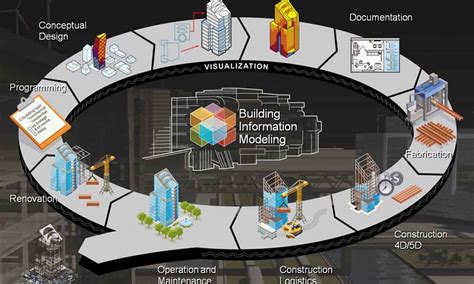
In 2D workflows, these clashes often go undetected until construction, resulting in costly rework, delays, and change orders. Information models can be used at all stages of a building’s life; from inception to operation— and even renovations and renewals.
Now that we’ve covered what BIM is and how it can be used, let’s move on to BIM levels.
What are BIM Levels?
Different levels of BIM can be achieved for various types of projects.
Enhanced collaboration: Keep all stakeholders aligned
BIM acts as a single source of truth. It creates a feedback loop where operational insights inform future planning and drive continuous improvement.
In essence, BIM empowers facility teams to move from reactive maintenance to proactive performance management.
Next came CAD (Computer Aided Design), which helped drafters see the benefit of plans in a digital environment. BIM is no longer optional—it's the baseline for major construction.
The shift extends beyond mandates. Improved efficiency: Eliminate rework and accelerate delivery
BIM streamlines the entire project workflow by centralizing design data and automating repetitive tasks like material takeoffs and quantity estimation.
- Speeds up design approvals through accurate, up-to-date documentation.
- Reduces on-site rework caused by outdated or conflicting drawings.
- Enables parallel workflows, allowing teams to collaborate without waiting for sequential updates.
Pro Tip: Adopt a federated BIM approach, where each discipline contributes to a shared model.
It's essential for complex infrastructure like data centers, hospitals, and civil projects.
Level of Development (LOD) defines model detail at each stage. It’s no longer just a design tool; rather, it’s the foundation of intelligent, connected building operations.
The more accurate and enriched your BIM data is, the more value it unlocks across operations.
This creates coordination challenges when partners have vastly different BIM capabilities.
Architects adopted BIM widely due to the prevalence of 3D design tools. Watch episode one!
Building Information Modeling 101: How It Works, and Key Benefits
What is Building Information Modeling (BIM)?
Building Information Modeling (BIM) is a smart, model-based process that helps everyone involved in a building project — from architects and engineers to contractors and facility managers — work together using one shared digital model.